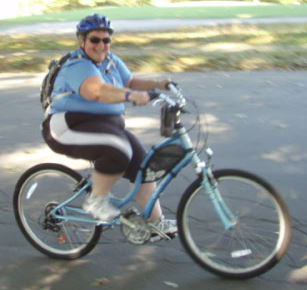
The first seder went very well last night, despite the lack of stuffed mushrooms. It was more than a bit chaotic, with 8 kids aged 6 or less, three of whom were under 2, and when everyone left, it looked a little like the aftermath of a hurricane, but everyone seemed to have a great time, and the food was just fine and more than enough, despite my pre-event worries. This was, of course, totally predictable. The seder starts when it starts, and at that moment whatever we have done is, by definition, enough.
Unfortunately, by the end of the evening, the background congestion in my head that I'd been dealing with all week had morphed into a burning, scratching drip at the back of my throat, which is often how colds and bronchitis start with me. I was (and am) not happy about this. It feels like another stumbling block set before the blind. Drip or not, I still have matzo balls to make as well as another round of mushroom-almond pate. I'm waiting patiently for the impetus to come to me, but given how under the weather I feel (and the weather today is pretty low -- gloomy, unrelenting rain), I'm not sure it ever will. Which means I will have to muster up a reserve from somewhere -- we have 16 more guests coming tonight. And I have to lead the singing.
As long as I've been working on all this inner peace, non-striving stuff, I still have a problem with what to do when physical challenge meets immutable deadline. Something clearly has to give. I can't exactly postpone what is, after all, a time-anchored holiday just because I don't feel well (though obviously, if I were seriously ill, we would have to cancel). On the other hand, I've been trying very hard not to push myself to do things at moments when my whole being is in revolt against them.
I suppose the answer is, as always, patience and trust. I may not feel like getting out of my rocking chair right this minute and mixing up the next batch of whatever, but the chances are that sometime before the absolute last possible minute, I will. And the chances also are that if I wait until that moment of willingness arrives, I'll do a better job and enjoy it more than if I rush in there now and force myself. There's a little voice asking what I'll do if the moment never comes, but I'm trying very hard not to listen. I guess I can always force myself later, if need be. But trusting feels like the better and more compassionate option right now, and not just because I know that's the "right" way to feel.
I'll let you all know how it turns out.
A hui hou.
Tuesday, March 30, 2010

Sunday, March 28, 2010
Food and Holidays
I'm a big believer in showing love through food. Nothing gives me quite the same pleasure as having a large table filled with people I love eating what I've cooked for them.
The last few days I've been offline preparing for our two 20-person Passover seders. We always come back from Hawaii about 10 days before the first seder, which theoretically gives us time enough to reconnect with family and friends, do the shopping, supervise the cleaning and changing over of dishes (in a kosher home, two separate sets of dairy and meat dishes are required, one for the eight days of Passover, and one for the rest of the year), and doing all the cooking. This schedule works in concept, but there is always jet lag and often a cold and/or orthopedic issues to deal with, and now that we have so many grandchildren (eight and counting), there doesn't seem to be quite as much time to prepare as there used to be.
My response this year has been to cut back a few items from what has been pretty much a set menu for at least the past 12 years, and while the part of me that is trying very hard to take care of myself thinks this is a fine idea, the part of me that loves presiding at that table is struggling.
Of course, the point of the holiday is not really about the food, but about the sense of tradition and closeness that the food helps to engender. On the other hand, the whole point of ritual and tradition is to provide a sense of security through the repetition of what is known and familiar. Which is why once I had discovered a bunch of dishes that my family (and my seder "family") liked, I stopped experimenting. I'm telling myself that the people at my table would probably prefer to have me sitting with them with a couple fewer dishes to choose from than to have the full complement and a sick, miserable host. I even believe that. And yet, part of me is feeling bad for not living up to my expectation of myself, not to mention what those others have come to expect.
So, I hereby declare that whatever may or may not appear on the table tomorrow and Tuesday nights, I love you all just as much as ever, if not more, and am doing my best to get healthier so that next year or the year after all those dishes may reappear at our seders and be enjoyed for many years to come.
A zisn, koshern pesakh (a sweet, kosher Passover) to all who celebrate the holiday.
A hui hou.
The last few days I've been offline preparing for our two 20-person Passover seders. We always come back from Hawaii about 10 days before the first seder, which theoretically gives us time enough to reconnect with family and friends, do the shopping, supervise the cleaning and changing over of dishes (in a kosher home, two separate sets of dairy and meat dishes are required, one for the eight days of Passover, and one for the rest of the year), and doing all the cooking. This schedule works in concept, but there is always jet lag and often a cold and/or orthopedic issues to deal with, and now that we have so many grandchildren (eight and counting), there doesn't seem to be quite as much time to prepare as there used to be.
My response this year has been to cut back a few items from what has been pretty much a set menu for at least the past 12 years, and while the part of me that is trying very hard to take care of myself thinks this is a fine idea, the part of me that loves presiding at that table is struggling.
Of course, the point of the holiday is not really about the food, but about the sense of tradition and closeness that the food helps to engender. On the other hand, the whole point of ritual and tradition is to provide a sense of security through the repetition of what is known and familiar. Which is why once I had discovered a bunch of dishes that my family (and my seder "family") liked, I stopped experimenting. I'm telling myself that the people at my table would probably prefer to have me sitting with them with a couple fewer dishes to choose from than to have the full complement and a sick, miserable host. I even believe that. And yet, part of me is feeling bad for not living up to my expectation of myself, not to mention what those others have come to expect.
So, I hereby declare that whatever may or may not appear on the table tomorrow and Tuesday nights, I love you all just as much as ever, if not more, and am doing my best to get healthier so that next year or the year after all those dishes may reappear at our seders and be enjoyed for many years to come.
A zisn, koshern pesakh (a sweet, kosher Passover) to all who celebrate the holiday.
A hui hou.
Tuesday, March 23, 2010
Going With the Flow
Thanks to everyone who responded to yesterday's cri de coeur. I was feeling pretty low when I posted that, and it was wonderful to read all your words of wisdom and perspective. I set up the humidifier in the bedroom last night, and that also made a huge difference. So, despite today's continued gloom and cold, I am feeling much better.
One of the reasons for my improved outlook is that last night, after tossing and turning miserably for an hour at 10pm, I finally decided just to give in to what my body was demanding, which was to get out of bed, and not try to force myself into what was obviously an uncongenial schedule. I also very consciously made the decision to eat, even though at the time I decided I wasn't entirely sure whether I was physically hungry or just miserable enough to want the quick comfort. As it turned out, I think I was probably hungry, because I ate only a large snack and didn't go after everything in the kitchen. Which is not to say that I didn't get great comfort from the food as well. I wish it weren't such an effective "drug."
Then, this morning, I let myself sleep until 9:30, and lay meditatively in bed for another half hour, allowing myself to come gradually to alertness. I think that made a huge difference in my ability to function the rest of the day, and I actually got a lot done. I planned my tasks for the rest of the week until the first Passover seder, made shopping lists for the various stores I need to visit, and did the first round of shopping (with Carol's help, of course). Life feels much calmer again, and if I need to be baking matzo kugel in the middle of the night, so be it.
How many times do I have to experience it before I learn the lesson that forcing things never works for me? I'm not used to thinking of myself as a slow learner, but this particular insight keeps drifting elusively back into the ether.
At least I do keep learning it again, and always a little bit faster.
A hui hou.
One of the reasons for my improved outlook is that last night, after tossing and turning miserably for an hour at 10pm, I finally decided just to give in to what my body was demanding, which was to get out of bed, and not try to force myself into what was obviously an uncongenial schedule. I also very consciously made the decision to eat, even though at the time I decided I wasn't entirely sure whether I was physically hungry or just miserable enough to want the quick comfort. As it turned out, I think I was probably hungry, because I ate only a large snack and didn't go after everything in the kitchen. Which is not to say that I didn't get great comfort from the food as well. I wish it weren't such an effective "drug."
Then, this morning, I let myself sleep until 9:30, and lay meditatively in bed for another half hour, allowing myself to come gradually to alertness. I think that made a huge difference in my ability to function the rest of the day, and I actually got a lot done. I planned my tasks for the rest of the week until the first Passover seder, made shopping lists for the various stores I need to visit, and did the first round of shopping (with Carol's help, of course). Life feels much calmer again, and if I need to be baking matzo kugel in the middle of the night, so be it.
How many times do I have to experience it before I learn the lesson that forcing things never works for me? I'm not used to thinking of myself as a slow learner, but this particular insight keeps drifting elusively back into the ether.
At least I do keep learning it again, and always a little bit faster.
A hui hou.
Monday, March 22, 2010
Reflections on a Gray Day
Well, the glow of homecoming is gone, the sun is gone, the warmth is gone, but the jet lag persists, made worse by the swift deterioration of my respiratory system in the dry New England air. Under these circumstances, I find my joie de vivre to be somewhat elusive. With the need to focus on Passover preparations increasing by the hour (our two large seders are happening next Monday and Tuesday), it's becoming increasingly difficult for me to stay grounded and calm.
So, what do I do? Do I sleep by day and work by night? Do I sleep by day and sleep by night? Do I try to coax (urge/force) my body into sleeping and being hungry in Eastern Daylight time or continue to let the change evolve naturally, on the assumption that it will, eventually, happen? Do I freak out? Do I close my eyes and pretend I'm somewhere else? If I do that, will it work?
Today I have no answers, no insights. If any of you reading this have any advice or words of encouragement, I'd love to hear them.
So, what do I do? Do I sleep by day and work by night? Do I sleep by day and sleep by night? Do I try to coax (urge/force) my body into sleeping and being hungry in Eastern Daylight time or continue to let the change evolve naturally, on the assumption that it will, eventually, happen? Do I freak out? Do I close my eyes and pretend I'm somewhere else? If I do that, will it work?
Today I have no answers, no insights. If any of you reading this have any advice or words of encouragement, I'd love to hear them.
Saturday, March 20, 2010
Mindful Jet Lag
We left Hawaii at 10pm Wednesday night, arriving in Boston at 4pm the next day, though really it was 10am body time, with half a day vanished into the ether. The transition seems particularly more difficult now that Daylight Savings Time starts so early, as the six-hour time loss seems significantly more challenging to accommodate than a five-hour loss. This year, being generally in a more mindful state of being, and healthier (watch as I spit three times) than usual, I'm finding the experience of being out of kilter extremely interesting.
Usually, the only thing I notice about being back in Eastern time is that I can't fall asleep till 3 or 4 in the morning, which would be bedtime in Hawaii. I always try to get up at a reasonable hour, on the assumption that that will help me adjust, so I'm tired a lot, but I can't ever seem to get to sleep at a reasonable time for the first week or so that I'm back here. This year, I decided to go more with the flow of my body's cues. I'm not sure it's a better way to handle the jet lag, but it's certainly interesting.
For one thing, I'm paying attention to when I feel like sleeping and, most of the time, giving myself permission to sleep then. This means a nap or two during the day, but it also means that I'm going to bed before midnight, which is much closer to a normal bedtime, and waking at close to my usual time. Unfortunately, it also means that there isn't more than an hour in the early afternoon when I have any energy at all, but I'm hopeful that that will pass in another day or two.
The second really interesting thing is that I'm conscious of being ravenous a lot, often at what would have been meal times in Hawaii -- this means wanting to have what amounts to another dinner at about 10pm. I'm feeding myself carefully in response to this hunger, not freaking out about it. If I feel like eating a bit more than usual, I'm eating a bit more, confident that it is a response to a bodily cue and not either emotionally triggered or an inappropriate response to being tired (remember how I said I was letting myself sleep when I felt like it? This is why.).
The third aspect to all of this is that I am finding very little energy for riding my bike. I went out yesterday for 20 minutes and felt good about that, though it felt like peddling through molasses. Today, I haven't been able to bring myself to get out there, as much as I want to, and as much as I want to take advantage of 70 degree weather, which will gone by tomorrow. I've had more trouble giving myself permission to choose sleep over biking than anything else, but I think I've finally started to trust that my desire to be active is so strong that when I can, I will. Maybe tomorrow, maybe this evening, maybe not until after the Passover frenzy of the coming week, but I'll know the feeling when it comes and respond to it with joy and alacrity.
These are all big successes for me, and big changes from previous years. I've been reading some other fitness and weight loss blogs during the past week, and I have been interested to note how many of the authors are rather narrowly focused on pounds, clothing size, or very specific exercise goals. I am SO not interested in any of that, at this point in my journey. For me, it's all about making small changes that have a huge effect on my state of being, particularly on my sense of balance in the world, what the Hawaiians call pono. The doctor that I see when I'm on the Big Island has her office in a medical office complex called Hale Ola Pono, which can be translated as House of Balanced Life or Building for Balanced Health. I love the idea of looking at health and fitness in that way and acknowledging that it's never just about my body or just about my mental state.
Now it's off to an early dinner and more healing sleep.
A hui hou.
Usually, the only thing I notice about being back in Eastern time is that I can't fall asleep till 3 or 4 in the morning, which would be bedtime in Hawaii. I always try to get up at a reasonable hour, on the assumption that that will help me adjust, so I'm tired a lot, but I can't ever seem to get to sleep at a reasonable time for the first week or so that I'm back here. This year, I decided to go more with the flow of my body's cues. I'm not sure it's a better way to handle the jet lag, but it's certainly interesting.
For one thing, I'm paying attention to when I feel like sleeping and, most of the time, giving myself permission to sleep then. This means a nap or two during the day, but it also means that I'm going to bed before midnight, which is much closer to a normal bedtime, and waking at close to my usual time. Unfortunately, it also means that there isn't more than an hour in the early afternoon when I have any energy at all, but I'm hopeful that that will pass in another day or two.
The second really interesting thing is that I'm conscious of being ravenous a lot, often at what would have been meal times in Hawaii -- this means wanting to have what amounts to another dinner at about 10pm. I'm feeding myself carefully in response to this hunger, not freaking out about it. If I feel like eating a bit more than usual, I'm eating a bit more, confident that it is a response to a bodily cue and not either emotionally triggered or an inappropriate response to being tired (remember how I said I was letting myself sleep when I felt like it? This is why.).
The third aspect to all of this is that I am finding very little energy for riding my bike. I went out yesterday for 20 minutes and felt good about that, though it felt like peddling through molasses. Today, I haven't been able to bring myself to get out there, as much as I want to, and as much as I want to take advantage of 70 degree weather, which will gone by tomorrow. I've had more trouble giving myself permission to choose sleep over biking than anything else, but I think I've finally started to trust that my desire to be active is so strong that when I can, I will. Maybe tomorrow, maybe this evening, maybe not until after the Passover frenzy of the coming week, but I'll know the feeling when it comes and respond to it with joy and alacrity.
These are all big successes for me, and big changes from previous years. I've been reading some other fitness and weight loss blogs during the past week, and I have been interested to note how many of the authors are rather narrowly focused on pounds, clothing size, or very specific exercise goals. I am SO not interested in any of that, at this point in my journey. For me, it's all about making small changes that have a huge effect on my state of being, particularly on my sense of balance in the world, what the Hawaiians call pono. The doctor that I see when I'm on the Big Island has her office in a medical office complex called Hale Ola Pono, which can be translated as House of Balanced Life or Building for Balanced Health. I love the idea of looking at health and fitness in that way and acknowledging that it's never just about my body or just about my mental state.
Now it's off to an early dinner and more healing sleep.
A hui hou.
Monday, March 15, 2010
Eating Scary Foods
One of my favorite classes at Green Mountain is "Eating Scary Foods." I remember so vividly how I felt when I first saw it on the schedule, during my very first day of my very first trip. It was offered for people not in their first week, and I thought to myself, "I hope they offer that again, because I really, really need it."
On the phone to Carol that night, when I mentioned that I'd seen the class title and hoped it would come around again during my month there, I discovered one of the eternal, absolute dicotomies in life. There are two kinds of people in the world: those who think "scary foods" are things like snakes and insects (like Carol), and those (like me and all the other women who go to Green Mountain) who know that "scary foods" are those comestibles which call out to you from behind closed refrigerator and cabinet doors, the foods that you are afraid to start eating because you are sure that you will never stop, the foods of which you can never get enough.
I don't want to give away any trade secrets or spoil the class for anyone who plans to take it, but I will say that it involves interacting with such foods mindfully at a time when you are not hungry, and really, truly experiencing them, for better or worse. And the way to take the power of those foods away is to give yourself permission to eat them.
During that first trip, I knew that ice cream was the scariest food in my life, and part of the eating plan I went home with was including a serving of ice cream with my dinner each night. I bought a cute little bowl that held just half a cup (knowing that I could have more if I wanted), got my favorite flavors of the best ice cream and proceeded to enjoy ice cream every single night. After a few months, I realized one day that I hadn't had ice cream for over a week, and didn't really want it any more. The ice cream was no longer scary. Now, I enjoy it sometimes, but always and effortlessly in "normal" portions and can go for months without the urge.
There were other foods that shriek and hiss and call out in the night, and though I tried the daily dose approach with them, I was never as successful as I had been with the ice cream. During a subsequent stay at Green Mountain, I realized that though I thought I was giving myself permission to eat those things, I had gotten all rigid and judgmental again. In a class called "Exploring Normal Eating," I learned about Intuitive Eating by Tribole and Resch, and immediately knew that I had to delve into this issue further, as I discussed in my blog post Pathology or Punishment, Part Two.
So, I made my list of foods that beckoned and foods I felt I'd never get enough of and began to work my way through it. Never mind the foods being scary -- this process was terrifying, as I knew from my reading that it could lead, in the short term, to gaining more weight, and there was always the possibility that I would discover a desire for something which would actually never be satisfied. But I trusted the program and trusted myself and began that next stage of my journey.
Interestingly, the food I decided to start with was not one that I regularly craved, but the one with probably the most emotional power for me -- halvah. Specifically, bulk marble halvah from the local kosher grocer. For those of you unfamiliar with this delicacy, it is an incredibly rich, uniquely flavored, nut-based confection that we had had only on very special occasions when I was a child, primarily because it was considered fattening beyond all other desserts. I remember my father being the keeper of the halvah, unwrapping the white deli paper and doling out thin slivers of the treat to all of us. I also remember feeling as though I would never be allowed to have as much as I wanted.
One of the tenets of all the programs that teach overcoming overeating through permission is that once you've decided to neutralize the power of a food, you need to have on hand several times as much food as you could ever physically consume in a sitting. The rationale is that you need to be able to feel that you can absolutely have as much as you want without being limited by running out, and as soon as you eat some, you have to replace it so it will be abundantly available the next time you want it. If you want to have it for breakfast, lunch and dinner, you should have it at all those meals and eat it mindfully, sensuously and, most important, openly. So I bought a couple of pounds of marble halvah and proceeded to have it whenever I wanted, usually eating a lot more than the slivers I remember from my youth, but not nearly as much, at a single sitting, as I feared. I began that process in early November and brought three packages with me to Hawaii two months later, just so they would be there if I needed them (as you can imagine, halvah is not big on the Big Island). And I threw them out, untouched, when we packed up to leave that April.
There were other foods and other revelations, but they will have to wait till my next post.
A hui hou.
On the phone to Carol that night, when I mentioned that I'd seen the class title and hoped it would come around again during my month there, I discovered one of the eternal, absolute dicotomies in life. There are two kinds of people in the world: those who think "scary foods" are things like snakes and insects (like Carol), and those (like me and all the other women who go to Green Mountain) who know that "scary foods" are those comestibles which call out to you from behind closed refrigerator and cabinet doors, the foods that you are afraid to start eating because you are sure that you will never stop, the foods of which you can never get enough.
I don't want to give away any trade secrets or spoil the class for anyone who plans to take it, but I will say that it involves interacting with such foods mindfully at a time when you are not hungry, and really, truly experiencing them, for better or worse. And the way to take the power of those foods away is to give yourself permission to eat them.
During that first trip, I knew that ice cream was the scariest food in my life, and part of the eating plan I went home with was including a serving of ice cream with my dinner each night. I bought a cute little bowl that held just half a cup (knowing that I could have more if I wanted), got my favorite flavors of the best ice cream and proceeded to enjoy ice cream every single night. After a few months, I realized one day that I hadn't had ice cream for over a week, and didn't really want it any more. The ice cream was no longer scary. Now, I enjoy it sometimes, but always and effortlessly in "normal" portions and can go for months without the urge.
There were other foods that shriek and hiss and call out in the night, and though I tried the daily dose approach with them, I was never as successful as I had been with the ice cream. During a subsequent stay at Green Mountain, I realized that though I thought I was giving myself permission to eat those things, I had gotten all rigid and judgmental again. In a class called "Exploring Normal Eating," I learned about Intuitive Eating by Tribole and Resch, and immediately knew that I had to delve into this issue further, as I discussed in my blog post Pathology or Punishment, Part Two.
So, I made my list of foods that beckoned and foods I felt I'd never get enough of and began to work my way through it. Never mind the foods being scary -- this process was terrifying, as I knew from my reading that it could lead, in the short term, to gaining more weight, and there was always the possibility that I would discover a desire for something which would actually never be satisfied. But I trusted the program and trusted myself and began that next stage of my journey.
Interestingly, the food I decided to start with was not one that I regularly craved, but the one with probably the most emotional power for me -- halvah. Specifically, bulk marble halvah from the local kosher grocer. For those of you unfamiliar with this delicacy, it is an incredibly rich, uniquely flavored, nut-based confection that we had had only on very special occasions when I was a child, primarily because it was considered fattening beyond all other desserts. I remember my father being the keeper of the halvah, unwrapping the white deli paper and doling out thin slivers of the treat to all of us. I also remember feeling as though I would never be allowed to have as much as I wanted.
One of the tenets of all the programs that teach overcoming overeating through permission is that once you've decided to neutralize the power of a food, you need to have on hand several times as much food as you could ever physically consume in a sitting. The rationale is that you need to be able to feel that you can absolutely have as much as you want without being limited by running out, and as soon as you eat some, you have to replace it so it will be abundantly available the next time you want it. If you want to have it for breakfast, lunch and dinner, you should have it at all those meals and eat it mindfully, sensuously and, most important, openly. So I bought a couple of pounds of marble halvah and proceeded to have it whenever I wanted, usually eating a lot more than the slivers I remember from my youth, but not nearly as much, at a single sitting, as I feared. I began that process in early November and brought three packages with me to Hawaii two months later, just so they would be there if I needed them (as you can imagine, halvah is not big on the Big Island). And I threw them out, untouched, when we packed up to leave that April.
There were other foods and other revelations, but they will have to wait till my next post.
A hui hou.
Sunday, March 14, 2010
Seasons
People who grow up in areas where there are obvious distinctions between winter and summer and then move to places without them often complain that they miss the seasons. This suggests that if you don't have snow and sweltering heat, blazing foliage and a transition from sticks to buds, there are no variations by season.
The fact is, if you live in a temperate or tropical clime and pay attention, there is quite a bit of variation by season and even by day in aspects of climate and flora other than gross weather patterns. Native Hawaiians have a traditional moon calendar that outlines subtle changes based on moon phase over the course of a month. The ocean is very different from day to day, depending on storms on the other side of the world, and there are definite seasonal distinctions in likelihood of high surf depending on what part of the island you are on. And though plants in general flourish here all year long, there are definite growing seasons for individual plants: our breadfruit tree offers ripe fruit starting in March, while our Tahitian limes are falling off the tree when we arrive in January, and pineapples ripen only in June. And I feel sad that yellow ginger blossoms appear all over only at a time when we are usually not here to see them in the fall.
Focusing only on the big picture, the differences in temperature and precipitation, and missing all those smaller yet very present indications of seasonality remind me of viewing success and failure only in absolute terms, in the attaining or not achieving of ultimate goals. In both instances, all or nothing thinking keeps one from noticing and enjoying what is actually going on.
The past few days, we have started packing up our house in preparation for leaving for Massachusetts on Wednesday. This process always promotes a valedictory mood in me, an urge to reflect on and evaluate my time here and contemplate the transition back to our mainland life. Most years, these reflections are kind of painful, as I measure what I have accomplished against what I had planned and hoped to do and discover how much I have not done. This year, for a lot of reasons, I have been reveling in what a great time of growth this winter has been for me and how much I have enjoyed it, and I am looking forward to staying in this state of being even while changing geographic states.
When I arrived here in January, I was still suffering significant deficits in both body and concentration from my bout this past fall with H1N1 and pneumonia. Though I was obviously much better than when I first got out of the hospital, I was still unable to accomplish more than one focused task per day, whether that was physical or mental. I could go shopping for groceries or I could cook dinner; I could have a conference call or I could go for a bike ride. I noticed this past week that I was able to be productive for a full 8-hour day again, and could do it several days in a row before needing to back off and recharge. Similarly, when I first got on my bike, I could ride for about 10 minutes before butt pain and jelly legs set in, and now I can go happily for 30-35 minutes. And when I first made it to the end of the road, back in January, I had to shift down to the lowest gear on my middle gear ring (2-1) to struggle up the little slope just before I turn around; this morning, without even thinking about it, I got up it at pretty close to my normal cruising gear (2-4). And yesterday I was able to go for the first time up the first hill at the other end of the road -- and I did it in gear 2-2!
These felt like huge accomplishments to me, like the first glimmering of spring after a miserable winter, though in the great scheme of things they are probably more like subtle variations in wave height or wind direction. I believe that my enjoyment and appreciation of them will help me keep going and growing as I make the transition back to New England.
A hui hou.
The fact is, if you live in a temperate or tropical clime and pay attention, there is quite a bit of variation by season and even by day in aspects of climate and flora other than gross weather patterns. Native Hawaiians have a traditional moon calendar that outlines subtle changes based on moon phase over the course of a month. The ocean is very different from day to day, depending on storms on the other side of the world, and there are definite seasonal distinctions in likelihood of high surf depending on what part of the island you are on. And though plants in general flourish here all year long, there are definite growing seasons for individual plants: our breadfruit tree offers ripe fruit starting in March, while our Tahitian limes are falling off the tree when we arrive in January, and pineapples ripen only in June. And I feel sad that yellow ginger blossoms appear all over only at a time when we are usually not here to see them in the fall.
Focusing only on the big picture, the differences in temperature and precipitation, and missing all those smaller yet very present indications of seasonality remind me of viewing success and failure only in absolute terms, in the attaining or not achieving of ultimate goals. In both instances, all or nothing thinking keeps one from noticing and enjoying what is actually going on.
The past few days, we have started packing up our house in preparation for leaving for Massachusetts on Wednesday. This process always promotes a valedictory mood in me, an urge to reflect on and evaluate my time here and contemplate the transition back to our mainland life. Most years, these reflections are kind of painful, as I measure what I have accomplished against what I had planned and hoped to do and discover how much I have not done. This year, for a lot of reasons, I have been reveling in what a great time of growth this winter has been for me and how much I have enjoyed it, and I am looking forward to staying in this state of being even while changing geographic states.
When I arrived here in January, I was still suffering significant deficits in both body and concentration from my bout this past fall with H1N1 and pneumonia. Though I was obviously much better than when I first got out of the hospital, I was still unable to accomplish more than one focused task per day, whether that was physical or mental. I could go shopping for groceries or I could cook dinner; I could have a conference call or I could go for a bike ride. I noticed this past week that I was able to be productive for a full 8-hour day again, and could do it several days in a row before needing to back off and recharge. Similarly, when I first got on my bike, I could ride for about 10 minutes before butt pain and jelly legs set in, and now I can go happily for 30-35 minutes. And when I first made it to the end of the road, back in January, I had to shift down to the lowest gear on my middle gear ring (2-1) to struggle up the little slope just before I turn around; this morning, without even thinking about it, I got up it at pretty close to my normal cruising gear (2-4). And yesterday I was able to go for the first time up the first hill at the other end of the road -- and I did it in gear 2-2!
These felt like huge accomplishments to me, like the first glimmering of spring after a miserable winter, though in the great scheme of things they are probably more like subtle variations in wave height or wind direction. I believe that my enjoyment and appreciation of them will help me keep going and growing as I make the transition back to New England.
A hui hou.
Wednesday, March 10, 2010
... Or Is It Me?
Everyone who either is or spends time with a menopausal woman knows the classic question, "Is it hot in here, or is it me?" While this query can be viewed as a somewhat humorous response to the vagaries of hormonal fluctuation, it can also be seen as a symptom of how much we, especially women, mistrust the cues that our bodies send us.
A few days ago, I posted on Facebook that I during my morning bike ride, it had felt like I was riding into the wind in both directions, and a friend responded with what he called "The laws of wind and bicycles:
1. The wind is always in your face.
2. When the wind is at your back, you think you are strong, not that the wind is at the back.
3. Be strong."
(Thanks, Bob!) I thought that this was funny and true, kind of like the "is it hot or is it me" question. But this morning as I was riding down my road with the wind definitely in my face in one direction and at my back in the other, I suddenly realized that for me, and perhaps for others, that second "law" was inside out. I tend to believe that when the wind is in my face, or the pavement runs slightly but imperceptibly uphill, so that I am going slower than my usual speed, there is something wrong with me. I remember one ride on the Minuteman Trail in Bedford, where the start of the trail is a very long, very slight slope, when I spent the first 20 minutes worrying that I was coming down with something or devolving into laziness, until the slope evened out and my bike computer was again registering 10 mph. Crisis over.
One would think that having to work a little harder to maintain speed (or to keep cool during a hot flash) would be a totally neutral occurrence. Winds and slopes (and hot flashes) happen; they are an immutable fact of our physical environment and not the result of divine punishment or moral turpitude. But somehow, my inner judge manages to twist things around so that a physical circumstance becomes a critical comment on my value as a human being.
As I felt the wind in my face, I immediately felt the truth of this observation about myself, but I felt a bit puzzled as well. If you had asked me a few years ago whether I had any self esteem issues, I would have swiftly and definitively replied in the negative. Despite being fat my whole adult life, I had never let my size or how I felt about it stop me from doing anything I really wanted to do, either physically or intellectually. I had never been afraid of intimacy, nor did I refuse to go swimming or to do any other activity that required wearing skimpy clothing. I have always felt that I could do or achieve anything I put my mind to (except losing weight!), and that people would accept me on my own terms if I accepted myself. So the discovery of the inner judge, who is neither forgiving nor compassionate, was a bit of a shock.
An inner judge is not at all helpful -- quite the contrary, in fact. Criticism tends to make our spirits shrivel and clench, a position in which it is very hard to do anything but shrivel and clench. I'd much rather have an inner therapist, who would ask "How do you feel about that?" instead of criticizing. In the work I've been doing with my outer therapist, I think I've been getting closer to banishing the judge and inviting in the therapist. But best of all would be to have an inner mommy, who would say "Good try," and "You'll be able to do a little better another time."
Having an inner mommy is having the ability to self-soothe, which is what I am very busy exploring right now. If I could do that, I wouldn't have to use food to comfort myself. I could unclench and unfurl, open-hearted and ready to take in whatever life threw my way and learn from it or let it go. I'm not quite there yet, but I'm getting closer all the time. And next time the going gets a little hard, I'm going to chalk it up to the wind in my face and switch to a lower gear.
A hui hou.
A few days ago, I posted on Facebook that I during my morning bike ride, it had felt like I was riding into the wind in both directions, and a friend responded with what he called "The laws of wind and bicycles:
1. The wind is always in your face.
2. When the wind is at your back, you think you are strong, not that the wind is at the back.
3. Be strong."
(Thanks, Bob!) I thought that this was funny and true, kind of like the "is it hot or is it me" question. But this morning as I was riding down my road with the wind definitely in my face in one direction and at my back in the other, I suddenly realized that for me, and perhaps for others, that second "law" was inside out. I tend to believe that when the wind is in my face, or the pavement runs slightly but imperceptibly uphill, so that I am going slower than my usual speed, there is something wrong with me. I remember one ride on the Minuteman Trail in Bedford, where the start of the trail is a very long, very slight slope, when I spent the first 20 minutes worrying that I was coming down with something or devolving into laziness, until the slope evened out and my bike computer was again registering 10 mph. Crisis over.
One would think that having to work a little harder to maintain speed (or to keep cool during a hot flash) would be a totally neutral occurrence. Winds and slopes (and hot flashes) happen; they are an immutable fact of our physical environment and not the result of divine punishment or moral turpitude. But somehow, my inner judge manages to twist things around so that a physical circumstance becomes a critical comment on my value as a human being.
As I felt the wind in my face, I immediately felt the truth of this observation about myself, but I felt a bit puzzled as well. If you had asked me a few years ago whether I had any self esteem issues, I would have swiftly and definitively replied in the negative. Despite being fat my whole adult life, I had never let my size or how I felt about it stop me from doing anything I really wanted to do, either physically or intellectually. I had never been afraid of intimacy, nor did I refuse to go swimming or to do any other activity that required wearing skimpy clothing. I have always felt that I could do or achieve anything I put my mind to (except losing weight!), and that people would accept me on my own terms if I accepted myself. So the discovery of the inner judge, who is neither forgiving nor compassionate, was a bit of a shock.
An inner judge is not at all helpful -- quite the contrary, in fact. Criticism tends to make our spirits shrivel and clench, a position in which it is very hard to do anything but shrivel and clench. I'd much rather have an inner therapist, who would ask "How do you feel about that?" instead of criticizing. In the work I've been doing with my outer therapist, I think I've been getting closer to banishing the judge and inviting in the therapist. But best of all would be to have an inner mommy, who would say "Good try," and "You'll be able to do a little better another time."
Having an inner mommy is having the ability to self-soothe, which is what I am very busy exploring right now. If I could do that, I wouldn't have to use food to comfort myself. I could unclench and unfurl, open-hearted and ready to take in whatever life threw my way and learn from it or let it go. I'm not quite there yet, but I'm getting closer all the time. And next time the going gets a little hard, I'm going to chalk it up to the wind in my face and switch to a lower gear.
A hui hou.
Tuesday, March 9, 2010
Patience
I've always been a very patient person. I'm happy to read the same book to my grandchildren 10 times in a row or listen to elderly people's stories a zillion times. Back in my days on the Carbohydrate Addicts' Diet (CAD) in the mid-1990s, I earned the reputation on a CAD listserv as being an unwavering advocate of patience. My mantra back then was "You can only control what you put in your mouth; you can't control what your body does with it," brought out largely in response to people who didn't lose any pounds for a few days and were hysterical about being on a plateau. If I wrote that once, I wrote it a hundred times to different people in the group. I even believed it. I had faith that if I worked the program, everything would come around eventually.
Unfortunately, that didn't happen. I had a 2-year plateau, probably caused by the shift in metabolism that seems to come with middle age, and despite (or perhaps because of) my increasing restriction of what I ate, I never lost another pound and finally gave up in despair.
Fast forward to September, 2005 when I first arrived at Green Mountain, feeling desperate to get healthy and promising myself that if seemed like their program would be a good fit for me, I'd hang in there with it as long as it took and keep coming back till I reached my goal. It was and I have, but I confess to having some dark moments along the way.
The Green Mountain program is a non-dieting approach to weight management, using techniques of mindfulness to do away with most of the causes of overeating, encouraging the rediscovery of the person we all had inside us who would rather run around than eat, exploring negative attitudes that affect body image and self esteem, and teaching stress management strategies to make it possible to do everything else. I believe wholeheartedly that the program works and is right for me, and in fact my whole life has changed radically since I began it, but I haven't lost any weight, per se. Not permanently, anyway.
As you can imagine, this is occasionally very frustrating.
I have a lot of baggage around deprivation and restriction, and a long history of self-comforting with food. And that's all on top of a bunch of emotional issues that were getting in my way and have now been dealt with successfully. So it isn't surprising that it's taking me a while to get to the point where I can make healthy choices with ease and lose fat. But it is, occasionally, very frustrating.
One afternoon last week I immersed myself in back issues of the Nutrition Action Health Letter, a publication of the Center for Science in the Public Interest, which a paddling buddy of my wife, Carol, had sent over to me. This friend has found great relief from chronic pain by altering her diet in various ways, and when she heard that I had developed gout, she started sending home various resources for me to explore. This particular newsletter was especially interesting and informative, and had good scientific evidence to back up the claims in its articles, and a number of members of its advisory board are epidemiologists I used to work with at Harvard Medical School in my research associate days. So it was a very interesting afternoon, but by the end of it, I had worked myself into a state of considerable agitation.
The message, hammered home in article after article, is that the extra weight I carry is doing me serious harm. This isn't news, of course, but it was difficult and disturbing to read it over and over again, along with various restrictions and limitations and recommendations about what a person should eat and avoid eating in order to be healthy. I was left with a sense of urgency that was almost enough to throw me off course. Almost.
Ten years ago, it was a lot easier to be patient. I didn't have high blood pressure; I didn't have gout; I wasn't on medicine to optimize my cholesterol profile; and my orthopedic problems were much more intermittent. I was also 10 years younger and not feeling my mortality quite so much. And, quite honestly, in many ways my life wasn't nearly so interesting and satisfying as it is now -- I have so much more to lose by not being more fit.
Maybe I could "go on a diet" and lose a bunch of pounds much more quickly. I've certainly done it before. But I don't want to do it again. I especially don't want to lose pounds only to regain them. Again. I want to fix whatever is out of balance in me so that I can get out of the rut I've been in most of my life. And to do that, I have to trust that the work I am doing now will get me to where I need to be.
So I took a few deep breaths and reminded myself that I am walking the path I need to be on. I'm walking it slowly and carefully, as befits someone of my age and physical condition, and I'm taking the time to observe and appreciate everything that I pass by on my way. And I remember that I am, after all, a very patient person.
A hui hou.
Unfortunately, that didn't happen. I had a 2-year plateau, probably caused by the shift in metabolism that seems to come with middle age, and despite (or perhaps because of) my increasing restriction of what I ate, I never lost another pound and finally gave up in despair.
Fast forward to September, 2005 when I first arrived at Green Mountain, feeling desperate to get healthy and promising myself that if seemed like their program would be a good fit for me, I'd hang in there with it as long as it took and keep coming back till I reached my goal. It was and I have, but I confess to having some dark moments along the way.
The Green Mountain program is a non-dieting approach to weight management, using techniques of mindfulness to do away with most of the causes of overeating, encouraging the rediscovery of the person we all had inside us who would rather run around than eat, exploring negative attitudes that affect body image and self esteem, and teaching stress management strategies to make it possible to do everything else. I believe wholeheartedly that the program works and is right for me, and in fact my whole life has changed radically since I began it, but I haven't lost any weight, per se. Not permanently, anyway.
As you can imagine, this is occasionally very frustrating.
I have a lot of baggage around deprivation and restriction, and a long history of self-comforting with food. And that's all on top of a bunch of emotional issues that were getting in my way and have now been dealt with successfully. So it isn't surprising that it's taking me a while to get to the point where I can make healthy choices with ease and lose fat. But it is, occasionally, very frustrating.
One afternoon last week I immersed myself in back issues of the Nutrition Action Health Letter, a publication of the Center for Science in the Public Interest, which a paddling buddy of my wife, Carol, had sent over to me. This friend has found great relief from chronic pain by altering her diet in various ways, and when she heard that I had developed gout, she started sending home various resources for me to explore. This particular newsletter was especially interesting and informative, and had good scientific evidence to back up the claims in its articles, and a number of members of its advisory board are epidemiologists I used to work with at Harvard Medical School in my research associate days. So it was a very interesting afternoon, but by the end of it, I had worked myself into a state of considerable agitation.
The message, hammered home in article after article, is that the extra weight I carry is doing me serious harm. This isn't news, of course, but it was difficult and disturbing to read it over and over again, along with various restrictions and limitations and recommendations about what a person should eat and avoid eating in order to be healthy. I was left with a sense of urgency that was almost enough to throw me off course. Almost.
Ten years ago, it was a lot easier to be patient. I didn't have high blood pressure; I didn't have gout; I wasn't on medicine to optimize my cholesterol profile; and my orthopedic problems were much more intermittent. I was also 10 years younger and not feeling my mortality quite so much. And, quite honestly, in many ways my life wasn't nearly so interesting and satisfying as it is now -- I have so much more to lose by not being more fit.
Maybe I could "go on a diet" and lose a bunch of pounds much more quickly. I've certainly done it before. But I don't want to do it again. I especially don't want to lose pounds only to regain them. Again. I want to fix whatever is out of balance in me so that I can get out of the rut I've been in most of my life. And to do that, I have to trust that the work I am doing now will get me to where I need to be.
So I took a few deep breaths and reminded myself that I am walking the path I need to be on. I'm walking it slowly and carefully, as befits someone of my age and physical condition, and I'm taking the time to observe and appreciate everything that I pass by on my way. And I remember that I am, after all, a very patient person.
A hui hou.
Sunday, March 7, 2010
Mindful Biking
The past couple of days I've been reading a lot about mindfulness, specifically as it relates to dealing with overeating. Living in the moment is something of a cliche, but nevertheless, being truly mindful and paying attention to each moment as it goes by seems to be one of those secrets of the universe that can make just about anything better. That lesson was among the earliest I learned at Green Mountain, as it forms the foundation of their entire approach to getting and staying healthy, but while I have made great strides in being more mindful, I clearly have much to learn.
Two books that I just started reading are promising to be very helpful in this next stage of my journey. The first, Eating the Moment: 141 Mindful Practices to Overcome Overeating One Meal at a Time, has a lot of very practical advice and exercises that I plan to use (and will no doubt write about) in the weeks to come. I am particularly intrigued by the idea of setting up a "cravings chair" to sit in comfortably when the urge to eat when I'm not hungry hits. The second book, 50 Ways to Soothe Yourself Without Food, is a bit more philosophical but also seems to have quite a few practical exercises that might help. I spent much of the past 48 hours wandering through their pages, and as a result was feeling in a particularly mindful state when I went out this morning for a bike ride.
I have also been thinking recently about why I find biking so easy to make a priority and strength training or any other physical activity so much more difficult. I love swimming and always have, since I was very young, and the time I was most fit in my entire life was probably the period, in my late 20's, when I swam for 45 minutes 5 mornings a week. Yet somehow, during the past few years, much as I enjoy being in the pool, I haven't yet been able to get back into enjoying doing laps, even though that would be a great way both to exercise and to achieve a meditative state. Similarly, I love the feeling of getting stronger and even of the sweat on my arms when I lift free weights, but I don't seem to be able, right now, to translate that into any enthusiasm for doing strength training regularly, despite having done so religiously for three years.
But though in some ways, biking is the most intensive of the activities that I do, cardiovascularly speaking, it's the one I long for, the one I visualize myself doing when I'm ill and work at systematically when I'm well. It seemed to me, as I headed for the garage this morning in my heightened state of mindfulness, that spending some energy trying to understand why might be helpful to me. So I strapped on my helmet, mounted up and set out to notice as much as I could about how I felt and what I experienced as I pedaled up and down the road.
The first thing I noticed was that I started to smile immediately. I think the physical feeling of being on a bike reminds me of being a joyous, curious, energetic little girl, who not only used to ride all the time, but jumped off swings and played softball and loved running around the back yard playing badminton and catch with her daddy. It also fills me with a sense of power and strength, since I know I can fly through the world with the greatest of ease. This is in stark contrast, these days, to how little and how slowly I can move on foot. When I ride my bike, I can cover miles and miles, and really feel that I am going somewhere. It's incredibly liberating.
The next thing I noticed was how much I love the feeling of the air rushing past my face as I ride. Even when the weather is hot and humid, I'm pretty much always comfortable when I'm actually riding because of that air movement. But the sensation of air moving against my skin was so sensuous today, it was as pleasurable as drinking cool, pure water when I'm thirsty. I even enjoyed the wind, which was pretty strong at times, to the point where I almost felt like I was pedaling in place for a moment or two. On one section of the road, where there are no houses and very few trees, I was conscious of the heat radiating up from the pavement, even so early in the morning. My legs felt the heat while my head and shoulders were surrounded by the cool wind; it was an intense, interesting and enjoyable sensation.
Along with the air rushing past, there are fragrances drifting by as I ride. Here in Hawaii, I can smell tiare (Tahitian gardenia), plumeria, and lots of wonderful greenery that I can't yet distinguish, along with bacon and coffee wafting from the houses I pass. And, of course, there are all the morning sounds: cardinals, doves, and francolins; leaf blowers and lawn mowers; the clicking of a dog's paws as it trots past; the flapping of a runner's sneakers. I noticed also how much I enjoy exchanging smiles, waves and greetings with the other folks walking, skating, running and biking up and down the road with me; there is a sense of shared pleasure that seems to vibrate the air between us as we pass each other, and an appreciation of the beautiful day.
I love feeling my leg muscles working. I love looking at all the gardens that I pass, and the houses, and the signs of what people are doing in and around them. I love looking beyond the houses to the mountains on one side and the ocean on the other; back in Boston, I often ride next to the Charles River, which offers me a similar experience of being in nature in a way that I find deeply satisfying. This morning I was very aware of the creaking and clicking of my bike as I rode, comforting sounds that I associate with the very pleasant work of pushing the pedals.
As I was noticing all of those sensations and observations, I realized that I don't get to stop and look at the things and places I'm passing in detail, as I can and do when I walk. I remembered one previous winter when I walked up and down the road almost every day watching the Kamehameha caterpillars (similar to Monarchs) build their cocoons, which are black, silver and gold and look like jewelry, in the crown flower bushes. Even though I couldn't relive that experience as I rode along, my memory allowed me to add it as an overlay to the other sights, sounds and smells of the morning.
It was a wonderful ride.
I don't yet have an answer to why I love biking so much and do it so easily and why engaging in those other activities remains so much a challenge. But perhaps if I can bring that same mindfulness and curiousity to swimming, strength training, and any other physical pursuits in which I may engage, those activities will become less of a challenge and more of a pleasure.
A hui hou.
Two books that I just started reading are promising to be very helpful in this next stage of my journey. The first, Eating the Moment: 141 Mindful Practices to Overcome Overeating One Meal at a Time, has a lot of very practical advice and exercises that I plan to use (and will no doubt write about) in the weeks to come. I am particularly intrigued by the idea of setting up a "cravings chair" to sit in comfortably when the urge to eat when I'm not hungry hits. The second book, 50 Ways to Soothe Yourself Without Food, is a bit more philosophical but also seems to have quite a few practical exercises that might help. I spent much of the past 48 hours wandering through their pages, and as a result was feeling in a particularly mindful state when I went out this morning for a bike ride.
I have also been thinking recently about why I find biking so easy to make a priority and strength training or any other physical activity so much more difficult. I love swimming and always have, since I was very young, and the time I was most fit in my entire life was probably the period, in my late 20's, when I swam for 45 minutes 5 mornings a week. Yet somehow, during the past few years, much as I enjoy being in the pool, I haven't yet been able to get back into enjoying doing laps, even though that would be a great way both to exercise and to achieve a meditative state. Similarly, I love the feeling of getting stronger and even of the sweat on my arms when I lift free weights, but I don't seem to be able, right now, to translate that into any enthusiasm for doing strength training regularly, despite having done so religiously for three years.
But though in some ways, biking is the most intensive of the activities that I do, cardiovascularly speaking, it's the one I long for, the one I visualize myself doing when I'm ill and work at systematically when I'm well. It seemed to me, as I headed for the garage this morning in my heightened state of mindfulness, that spending some energy trying to understand why might be helpful to me. So I strapped on my helmet, mounted up and set out to notice as much as I could about how I felt and what I experienced as I pedaled up and down the road.
The first thing I noticed was that I started to smile immediately. I think the physical feeling of being on a bike reminds me of being a joyous, curious, energetic little girl, who not only used to ride all the time, but jumped off swings and played softball and loved running around the back yard playing badminton and catch with her daddy. It also fills me with a sense of power and strength, since I know I can fly through the world with the greatest of ease. This is in stark contrast, these days, to how little and how slowly I can move on foot. When I ride my bike, I can cover miles and miles, and really feel that I am going somewhere. It's incredibly liberating.
The next thing I noticed was how much I love the feeling of the air rushing past my face as I ride. Even when the weather is hot and humid, I'm pretty much always comfortable when I'm actually riding because of that air movement. But the sensation of air moving against my skin was so sensuous today, it was as pleasurable as drinking cool, pure water when I'm thirsty. I even enjoyed the wind, which was pretty strong at times, to the point where I almost felt like I was pedaling in place for a moment or two. On one section of the road, where there are no houses and very few trees, I was conscious of the heat radiating up from the pavement, even so early in the morning. My legs felt the heat while my head and shoulders were surrounded by the cool wind; it was an intense, interesting and enjoyable sensation.
Along with the air rushing past, there are fragrances drifting by as I ride. Here in Hawaii, I can smell tiare (Tahitian gardenia), plumeria, and lots of wonderful greenery that I can't yet distinguish, along with bacon and coffee wafting from the houses I pass. And, of course, there are all the morning sounds: cardinals, doves, and francolins; leaf blowers and lawn mowers; the clicking of a dog's paws as it trots past; the flapping of a runner's sneakers. I noticed also how much I enjoy exchanging smiles, waves and greetings with the other folks walking, skating, running and biking up and down the road with me; there is a sense of shared pleasure that seems to vibrate the air between us as we pass each other, and an appreciation of the beautiful day.
I love feeling my leg muscles working. I love looking at all the gardens that I pass, and the houses, and the signs of what people are doing in and around them. I love looking beyond the houses to the mountains on one side and the ocean on the other; back in Boston, I often ride next to the Charles River, which offers me a similar experience of being in nature in a way that I find deeply satisfying. This morning I was very aware of the creaking and clicking of my bike as I rode, comforting sounds that I associate with the very pleasant work of pushing the pedals.
As I was noticing all of those sensations and observations, I realized that I don't get to stop and look at the things and places I'm passing in detail, as I can and do when I walk. I remembered one previous winter when I walked up and down the road almost every day watching the Kamehameha caterpillars (similar to Monarchs) build their cocoons, which are black, silver and gold and look like jewelry, in the crown flower bushes. Even though I couldn't relive that experience as I rode along, my memory allowed me to add it as an overlay to the other sights, sounds and smells of the morning.
It was a wonderful ride.
I don't yet have an answer to why I love biking so much and do it so easily and why engaging in those other activities remains so much a challenge. But perhaps if I can bring that same mindfulness and curiousity to swimming, strength training, and any other physical pursuits in which I may engage, those activities will become less of a challenge and more of a pleasure.
A hui hou.
Friday, March 5, 2010
Pathology or Punishment? - Part Two
Two summers ago, I woke up in the middle of the night in the throes of a pretty severe bacterial infection in my gut. I spent several weeks eating nothing but rice, white toast, apple juice, broth, and a little boiled chicken, and several more avoiding all dietary fiber. This meant no fruit, no sweet corn, no cantaloup, no tomatoes, or any of the other delights of summer.
This pestilence was visited upon me in the middle of a process of exploring intuitive eating, which involved allowing myself to eat foods that I had not allowed myself to eat "out loud" for decades because they were "bad" for me. Of course, I had guiltily eaten most of them anyway, but one of the most important tenets of the Green Mountain program is giving yourself permission to eat anything, so long as you enjoy it mindfully and stop when you are no longer hungry. I read Intuitive Eating by Evelyn Tribole and Elyse Resch, Overcoming Overeating by Jane R. Hirschmann and Carol H. Munter, and all of Geneen Roth's books, and was finding the process incredibly liberating.
Then the infection hit, and I was thrown into a situation that demanded that I move beyond being merely mindful of what I ate to being vigilantly restrictive in order to avoid extremely unpleasant consequences. In essence, I was eating the opposite of how I had been learning to eat: no fruits or vegetables, no whole grains, no dairy of any sort, no legumes. And my permission to eat previously forbidden foods was rescinded again, at least temporarily. It was disconcerting, and I confess that there were quite a few moments (particularly as my whole family chowed down on sweet corn and watermelon) when it really felt as though I were being punished.
One thing I've learned about myself in the past four years is that I don't do well when I feel I'm being deprived. And yet during my illness and recovery, if I didn't deprive myself of most of the foods I enjoy, I would be doing myself significant and immediate harm. A conundrum, to be sure.
All these thoughts came back to me last week, when a couple of instances of eating more than I needed were almost immediately followed by periods of gut-wrenching discomfort and worse. To take care of myself, I simply stopped eating, upped my probiotic dose and reduced my fiber intake till things got in balance again. That felt prudent and nurturing, not punitive, and it suddenly dawned on me that this experience was what the gurus mean when they talk about choosing the healthy food option because it makes you feel good, not because it represented a food choice that was morally superior.
Wow.
I am encouraged by the thought that if I can feel that once, I can feel it again. Maybe someday. Maybe this afternoon. Another small step along my path.
A hui hou (till next time).
This pestilence was visited upon me in the middle of a process of exploring intuitive eating, which involved allowing myself to eat foods that I had not allowed myself to eat "out loud" for decades because they were "bad" for me. Of course, I had guiltily eaten most of them anyway, but one of the most important tenets of the Green Mountain program is giving yourself permission to eat anything, so long as you enjoy it mindfully and stop when you are no longer hungry. I read Intuitive Eating by Evelyn Tribole and Elyse Resch, Overcoming Overeating by Jane R. Hirschmann and Carol H. Munter, and all of Geneen Roth's books, and was finding the process incredibly liberating.
Then the infection hit, and I was thrown into a situation that demanded that I move beyond being merely mindful of what I ate to being vigilantly restrictive in order to avoid extremely unpleasant consequences. In essence, I was eating the opposite of how I had been learning to eat: no fruits or vegetables, no whole grains, no dairy of any sort, no legumes. And my permission to eat previously forbidden foods was rescinded again, at least temporarily. It was disconcerting, and I confess that there were quite a few moments (particularly as my whole family chowed down on sweet corn and watermelon) when it really felt as though I were being punished.
One thing I've learned about myself in the past four years is that I don't do well when I feel I'm being deprived. And yet during my illness and recovery, if I didn't deprive myself of most of the foods I enjoy, I would be doing myself significant and immediate harm. A conundrum, to be sure.
All these thoughts came back to me last week, when a couple of instances of eating more than I needed were almost immediately followed by periods of gut-wrenching discomfort and worse. To take care of myself, I simply stopped eating, upped my probiotic dose and reduced my fiber intake till things got in balance again. That felt prudent and nurturing, not punitive, and it suddenly dawned on me that this experience was what the gurus mean when they talk about choosing the healthy food option because it makes you feel good, not because it represented a food choice that was morally superior.
Wow.
I am encouraged by the thought that if I can feel that once, I can feel it again. Maybe someday. Maybe this afternoon. Another small step along my path.
A hui hou (till next time).
Tuesday, March 2, 2010
Pathology or Punishment?
My plans to write have been waylaid, as so often happens, by some health challenges (though the tsunami evacuation that took up most of Saturday was another thing entirely), which is kind of ironic, since what I wanted to write about was exactly those challenges and how I respond to them.
For most of my life, the weakest systems in my body have been respiratory and gastrointestinal. Whenever I get too stressed out, or a major stressful period ends, and sometimes for no apparent reason, one of those things goes wrong. Add to that my various orthopedic issues, all stemming from a torn knee cartilage 30 years ago, and most recently, gout, not to mention the various aches and pains of aging, and the situation is ripe for a misreading.
I confess, I spent a good many years feeling as though my body was my enemy, and I hated it for that. It felt that all of these recurring challenges were a deliberate punishment from an uncaring Providence. Crazy as that sounds, there seem to be plenty of people who believe that AIDS, lung cancer and various other diseases are punishments visited upon their sufferers because of bad behaviors, or perhaps visited on innocent bystanders because of the sinful behavior of their neighbors. For better or worse, my feelings were not religious in origin. To me, it seemed more as though someone or something was out to get me, to trip me up and thwart my plans. In fact, it was my attitude that tripped me up, as it effectively separated me from my physical self for a long time.
Getting reintegrated was the first and perhaps the most important lesson I learned at Green Mountain 4-1/2 years ago. We had been introduced to Belleruth Naperstek's Guided Imagery for Weight Loss in a class one afternoon, and I had reacted very emotionally, which always is a sign to me that I need to further explore something, so I bought the CD. In addition to the guided imagery track, there was also a track of affirmations, which I decided to listen to one morning as I got dressed. My thought was that affirmations would be a cheerful way to start the day.
Oy. Was I mistaken.
Unlike the "today is the first day of the rest of your life" genre that I was expecting, these affirmations were actually designed to reprogram negative self talk, and most of them seemed to be about how my body is my oldest friend and most constant companion and how I need to take care of it, etc.
Well, I started to cry within 15 seconds of starting to play the track and by the end was sobbing uncontrollably. That felt like an important clue, indeed, and I've made great strides in feeling more gratitude and less resentment towards my body, focusing more on what I can do physically, and less than what I can't. Insofar as I succeed, I am calmer and much more productive in my life.
There do remain some issues, particular relating to food and GI disturbances, but I will save them for my next post.
For most of my life, the weakest systems in my body have been respiratory and gastrointestinal. Whenever I get too stressed out, or a major stressful period ends, and sometimes for no apparent reason, one of those things goes wrong. Add to that my various orthopedic issues, all stemming from a torn knee cartilage 30 years ago, and most recently, gout, not to mention the various aches and pains of aging, and the situation is ripe for a misreading.
I confess, I spent a good many years feeling as though my body was my enemy, and I hated it for that. It felt that all of these recurring challenges were a deliberate punishment from an uncaring Providence. Crazy as that sounds, there seem to be plenty of people who believe that AIDS, lung cancer and various other diseases are punishments visited upon their sufferers because of bad behaviors, or perhaps visited on innocent bystanders because of the sinful behavior of their neighbors. For better or worse, my feelings were not religious in origin. To me, it seemed more as though someone or something was out to get me, to trip me up and thwart my plans. In fact, it was my attitude that tripped me up, as it effectively separated me from my physical self for a long time.
Getting reintegrated was the first and perhaps the most important lesson I learned at Green Mountain 4-1/2 years ago. We had been introduced to Belleruth Naperstek's Guided Imagery for Weight Loss in a class one afternoon, and I had reacted very emotionally, which always is a sign to me that I need to further explore something, so I bought the CD. In addition to the guided imagery track, there was also a track of affirmations, which I decided to listen to one morning as I got dressed. My thought was that affirmations would be a cheerful way to start the day.
Oy. Was I mistaken.
Unlike the "today is the first day of the rest of your life" genre that I was expecting, these affirmations were actually designed to reprogram negative self talk, and most of them seemed to be about how my body is my oldest friend and most constant companion and how I need to take care of it, etc.
Well, I started to cry within 15 seconds of starting to play the track and by the end was sobbing uncontrollably. That felt like an important clue, indeed, and I've made great strides in feeling more gratitude and less resentment towards my body, focusing more on what I can do physically, and less than what I can't. Insofar as I succeed, I am calmer and much more productive in my life.
There do remain some issues, particular relating to food and GI disturbances, but I will save them for my next post.
Wednesday, February 24, 2010
"I'm On a Diet of Love"
I collect 78rpm records, specifically Yiddish and Hawaiian records, but part of that work is reviewing general auction lists, and I take great delight in some of the song titles I encounter there from the 1920's-1940's. Today my attention was caught by "I'm On a Diet of Love," a fox trot recorded by George Olson in 1929.
Let me begin my musings with a disclaimer. Green Mountain at Fox Run teaches a non-diet approach to weight management. By discussing this song title, I am NOT advocating any sort of "diet" -- heaven forfend. I have NOT gone back over to the dark side!
In fact, this song uses "diet" in its original sense of "habitual nourishment" and includes lines such as, "Breakfast kisses by the bunch, sweet as raisins for your lunch." This is certainly not about deprivation; in fact, it is about the very opposite of emotional eating. (Though the song does play on the other definition of diet. The next line is "One thing that makes it great, you can eat more than your share, it won't affect your weight.")
Much has been written on all the reasons people eat that aren't physical hunger: to stuff down feelings, to comfort, to fill an emotional or spiritual emptiness, to feel in control, to reward oneself for a job well done, to console oneself for an opportunity lost, etc. etc. I've experienced them all, at various times in my life. I think that a lot of my life-long difficulties with weight management were the result, first, of seeing my mother use food in all the ways I just listed and second, of using food to stuff down my grief after she died when I was 13 and not allowed, encouraged or helped to mourn her. It took a round of therapy to get past that one. Later, I also stuffed down feelings of anger and betrayal after being disowned by my father and stepmother. I was finally able to exorcise that demon during one of my visits to Green Mountain. I've used food as a buffer against the shame and hurt of rejection, the frustration of dealing with the fallout from having a partner with undiagnosed attention-deficit disorder, and countless slings and arrows that have flown my way during the course of living a fairly interesting life. I've been working hard to deal with all of those issues in ways that don't involve eating when I'm not hungry, with some considerable success.
Yet here I am, grappling on a daily basis with strong compulsions to put food in my mouth when I don't need it for energy.
My life is full and fortunate; I am much loved and appreciated by my wife, my family, my friends and my colleagues, and I have a list of passions that I am able to pursue with much greater ease than most of the people I know. Probing into the nooks and crannies of my mind, heart and spirit, I find no hidden voids, no cluttered closets needing attention. So what exactly is going on?
I've been thinking about this question and meditating on it and discussing it in counseling sessions for a few weeks now, and I think the problem is that I need to be on a diet of love, or at least of connection. My tendency, when things aren't going so well, is to turn inward, go back into my shell, circle the wagons, and every other metaphor that paints a picture of willful isolation. And that isolation feeds on itself; the more cut off I am, the worse I feel and the less likely to reach out to connect with a warm hand that can help pull me out of the hole I've dug for myself. Recognizing that tendency in myself was one of the reasons I decided to start this blog. It means more to me than I can express to know that people from all the corners of my life are reading my words, responding to my feelings and experiences and reaching back to me with love.
To change metaphors: Yesterday, Carol and I went to Auntie Marjie Spenser's Advanced Ukulele Class at www.tutushouse.org in Waimea, as we usually do on Tuesday morning, and Auntie Marjie began by telling us that, to put it simply, she loves and needs her students. "I think of you, I see your faces, and each one of you is a rose in my heart," she said. "I love to spend time in that garden."
Personally, I prefer the tiare (Tahitian gardenia) to the rose. You are all tiare in my heart, and I need to spend time in that garden.
Let me begin my musings with a disclaimer. Green Mountain at Fox Run teaches a non-diet approach to weight management. By discussing this song title, I am NOT advocating any sort of "diet" -- heaven forfend. I have NOT gone back over to the dark side!
In fact, this song uses "diet" in its original sense of "habitual nourishment" and includes lines such as, "Breakfast kisses by the bunch, sweet as raisins for your lunch." This is certainly not about deprivation; in fact, it is about the very opposite of emotional eating. (Though the song does play on the other definition of diet. The next line is "One thing that makes it great, you can eat more than your share, it won't affect your weight.")
Much has been written on all the reasons people eat that aren't physical hunger: to stuff down feelings, to comfort, to fill an emotional or spiritual emptiness, to feel in control, to reward oneself for a job well done, to console oneself for an opportunity lost, etc. etc. I've experienced them all, at various times in my life. I think that a lot of my life-long difficulties with weight management were the result, first, of seeing my mother use food in all the ways I just listed and second, of using food to stuff down my grief after she died when I was 13 and not allowed, encouraged or helped to mourn her. It took a round of therapy to get past that one. Later, I also stuffed down feelings of anger and betrayal after being disowned by my father and stepmother. I was finally able to exorcise that demon during one of my visits to Green Mountain. I've used food as a buffer against the shame and hurt of rejection, the frustration of dealing with the fallout from having a partner with undiagnosed attention-deficit disorder, and countless slings and arrows that have flown my way during the course of living a fairly interesting life. I've been working hard to deal with all of those issues in ways that don't involve eating when I'm not hungry, with some considerable success.
Yet here I am, grappling on a daily basis with strong compulsions to put food in my mouth when I don't need it for energy.
My life is full and fortunate; I am much loved and appreciated by my wife, my family, my friends and my colleagues, and I have a list of passions that I am able to pursue with much greater ease than most of the people I know. Probing into the nooks and crannies of my mind, heart and spirit, I find no hidden voids, no cluttered closets needing attention. So what exactly is going on?
I've been thinking about this question and meditating on it and discussing it in counseling sessions for a few weeks now, and I think the problem is that I need to be on a diet of love, or at least of connection. My tendency, when things aren't going so well, is to turn inward, go back into my shell, circle the wagons, and every other metaphor that paints a picture of willful isolation. And that isolation feeds on itself; the more cut off I am, the worse I feel and the less likely to reach out to connect with a warm hand that can help pull me out of the hole I've dug for myself. Recognizing that tendency in myself was one of the reasons I decided to start this blog. It means more to me than I can express to know that people from all the corners of my life are reading my words, responding to my feelings and experiences and reaching back to me with love.
To change metaphors: Yesterday, Carol and I went to Auntie Marjie Spenser's Advanced Ukulele Class at www.tutushouse.org in Waimea, as we usually do on Tuesday morning, and Auntie Marjie began by telling us that, to put it simply, she loves and needs her students. "I think of you, I see your faces, and each one of you is a rose in my heart," she said. "I love to spend time in that garden."
Personally, I prefer the tiare (Tahitian gardenia) to the rose. You are all tiare in my heart, and I need to spend time in that garden.
Monday, February 22, 2010
Momona, Zaftig or Fat?
This weekend I hosted a meeting/retreat for the board of the Mohala Hou Foundation, on which I am privileged to serve. One of our tasks was to review a video about Aloha Music Camp, which is one of our major programs and a place where people from all over can come to Hawaii and experience not only the arts and culture of the islands, but that ineffable gift that is the Aloha Spirit. In the course of our discussion about the film, someone brought up the point about wanting to use images of some very large people dancing hula, even if they might be somewhat off-putting to potential campers. That got me thinking about the place that being in Hawaii has played in dealing with my own feelings of shame and self-loathing about my body. And that got me thinking about the words we use and the power they have over us.
I am very fortunate in that the two non-mainstream cultures I know best are both much less narrow about body size and beauty than the Western norm. Here in North America we call people fat, but that word is not permitted to be the simple, neutral descriptor that it actually is. In contrast, one of the Yiddish words to describe a curvy, larger than "normal" woman is zaftig, which literally means "juicy." The images that spring to mind are, on the one hand, the juices that run from a ripe, delicious piece of fruit or the juices that drip from a nicely marbled piece of meat roasting on a rotisserie -- both, I think, positive images, as the juiciness is a quality that makes each of those foods more delicious and desirable.
In Hawaiian, there is an even more positive word: momona. It means, literally, "fat," but more in the sense "fat of the land," and is often translated as "rich" or "fertile." It can also have the sense of culinary richness, that quality in food that makes you smack your lips and feel satisfied, and if you add the prefix "ho'o," which means to make something become whatever word you add it to, ho'omomona means "to sweeten." These are all very positive qualities, and if you call a person momona, it is definitely not an insult.
A few years ago I was studying Hawaiian using a wonderful book, Ka Lei Ha'aheo by Alberta Pualani Hopkins, and at the end of the third lesson came across the following passage, which astonished and delighted me:
As Popeye says, I yam what I yam, and what I yam is fat, zaftig and momona.
I am very fortunate in that the two non-mainstream cultures I know best are both much less narrow about body size and beauty than the Western norm. Here in North America we call people fat, but that word is not permitted to be the simple, neutral descriptor that it actually is. In contrast, one of the Yiddish words to describe a curvy, larger than "normal" woman is zaftig, which literally means "juicy." The images that spring to mind are, on the one hand, the juices that run from a ripe, delicious piece of fruit or the juices that drip from a nicely marbled piece of meat roasting on a rotisserie -- both, I think, positive images, as the juiciness is a quality that makes each of those foods more delicious and desirable.
In Hawaiian, there is an even more positive word: momona. It means, literally, "fat," but more in the sense "fat of the land," and is often translated as "rich" or "fertile." It can also have the sense of culinary richness, that quality in food that makes you smack your lips and feel satisfied, and if you add the prefix "ho'o," which means to make something become whatever word you add it to, ho'omomona means "to sweeten." These are all very positive qualities, and if you call a person momona, it is definitely not an insult.
A few years ago I was studying Hawaiian using a wonderful book, Ka Lei Ha'aheo by Alberta Pualani Hopkins, and at the end of the third lesson came across the following passage, which astonished and delighted me:
In the first two lessons you have learned the words u'i (handsome, beautiful) and momona (fat, sweet, fertile). But what makes a person handsome or beautiful to an English speaker's eyes might not be the same as being u'i to a Hawaiian's eyes. In the same way, fat and momona may refer to different weights, depending on the cultural context. Someone who is fat in a haole [Caucasian] setting may not be considered momona in a Hawaiian community. Beyond that, whether it is good or bad to be fat or momona also depends on cultural values. It is "bad" to be fat in a haole world, but to be momona in a Hawaiian world is a desirable quality. (p. 17)Here in the islands, momona people dance hula, are admired as beautiful and attractive, and dress in ways that are comfortable and appropriate for the climate even if it means exposing parts of their bodies that they would be humiliated for exposing in a mainstream American context. They give themselves permission, as I said in my last post, to live. When we first started coming to the islands, in 1988, I was often in that weird state of magical thinking where I believed that if I dressed in a certain way, no one would notice my size. Being here and seeing those wonderfully momona local people walking proudly through their lives helped bring me back to a much more compassionate and livable reality.
As Popeye says, I yam what I yam, and what I yam is fat, zaftig and momona.
Friday, February 19, 2010
Shame and Permission
I've been thinking about shame a lot today, after a Facebook friend linked to an article about discrimination against fat people by airlines. The author wrote about feeling not only embarrassed, but humiliated and ashamed, for taking up more than his share of space on a plane. I've certainly experienced my share of feeling those emotions, but I think the distinctions among them are important to consider.
Embarrassment arises, I think, from the sense of having one's shortcomings obviously displayed in public. We are embarrassed when we belch or sneeze during a quiet moment, when we drop food on our bosom (my own personal nemesis), when we need a seatbelt extender, when we trip, and the like. Humiliation comes, generally, from someone else's lack of compassion and empathy. We feel humiliated when someone else points out our shortcomings, often in public and with malicious intent. Bullies know all about humiliation. Both of those emotions are real and unpleasant, but in my opinion, they can't inflict nearly as much damage as shame.
Shame is, at least in this context, about not feeling entitled to do whatever it is one feels ashamed about, or even to exist. In my various times at Green Mountain, I've met many women who feel too much shame to allow themselves to dance or go swimming or enjoy any activity that would require them to expose themselves physically, even though most of us there have similar issues to deal with. The kicker is that many of those women are often what the world would consider "normal" size. And it isn't just weight that makes people feel shame; many of us have other things that make us feel we have no right to enjoy life.
What's even worse is that shame often drives us to do things in secret. Thought the things we feel shame about might be obvious for all to see, the behaviors that result often take place in the dark, or when we are alone, or when we are alone in the dark. I've struggled for years with secret, nighttime eating, an act of which I have been profoundly ashamed. Sure, part of the secrecy was a kind of denial, maybe even a guilty kind of pleasure. But I think it mostly stemmed from my feeling, very deep inside, that I didn't have the right to feed myself well. Part of the healing process for me has been trying to keep eating out in the open, because whatever my size, I have a right to nurture myself and take pleasure in the food I choose to eat. Just as I am entitled to be comfortable when I ride my bike, even if it means wearing clinging bike gear that may not be wonderfully flattering but prevents chafing and blisters. And I have the right to dance my fool head off, even if that means shaking the rafters of the house.
It's all about giving ourselves permission to be who we are and live our lives as safely, comfortably and joyously as possible.
Embarrassment arises, I think, from the sense of having one's shortcomings obviously displayed in public. We are embarrassed when we belch or sneeze during a quiet moment, when we drop food on our bosom (my own personal nemesis), when we need a seatbelt extender, when we trip, and the like. Humiliation comes, generally, from someone else's lack of compassion and empathy. We feel humiliated when someone else points out our shortcomings, often in public and with malicious intent. Bullies know all about humiliation. Both of those emotions are real and unpleasant, but in my opinion, they can't inflict nearly as much damage as shame.
Shame is, at least in this context, about not feeling entitled to do whatever it is one feels ashamed about, or even to exist. In my various times at Green Mountain, I've met many women who feel too much shame to allow themselves to dance or go swimming or enjoy any activity that would require them to expose themselves physically, even though most of us there have similar issues to deal with. The kicker is that many of those women are often what the world would consider "normal" size. And it isn't just weight that makes people feel shame; many of us have other things that make us feel we have no right to enjoy life.
What's even worse is that shame often drives us to do things in secret. Thought the things we feel shame about might be obvious for all to see, the behaviors that result often take place in the dark, or when we are alone, or when we are alone in the dark. I've struggled for years with secret, nighttime eating, an act of which I have been profoundly ashamed. Sure, part of the secrecy was a kind of denial, maybe even a guilty kind of pleasure. But I think it mostly stemmed from my feeling, very deep inside, that I didn't have the right to feed myself well. Part of the healing process for me has been trying to keep eating out in the open, because whatever my size, I have a right to nurture myself and take pleasure in the food I choose to eat. Just as I am entitled to be comfortable when I ride my bike, even if it means wearing clinging bike gear that may not be wonderfully flattering but prevents chafing and blisters. And I have the right to dance my fool head off, even if that means shaking the rafters of the house.
It's all about giving ourselves permission to be who we are and live our lives as safely, comfortably and joyously as possible.
Wednesday, February 17, 2010
One of Those Days
One of the things I've had to grapple with increasingly lately is my inability to make things happen the way I think they ought. For the past couple of years in particular I have been trying to make peace with listening to my body and accepting my limitations. This was hard enough when it involved only physical limitations, but has gotten even harder since this fall, when I was felled by a pretty serious H1N1-asthma-pneumonia combo that caused my physical limitations to affect my ability to focus and concentrate.
I spent many years clothed in cape and tights -- first as office superhero, then as band superhero. I confess, it was a role I relished. I loved everything about it: the feeling of competence, the way others could (and did) count on my to make things happen, the praise, even the exhaustion after a task was completed. As I moved into the brain fog of menopause, the cape got really tattered and the tights became riddled with snags and ladders, and a couple of years ago I had to throw them both away, leaving myself feeling incredibly naked and vulnerable. With a lot of help and support, I've been trying to find a more comfortable outfit, one that is suitable for both work and play.
Today is one of those days when all my plans have to go out the window. Last night I had visualized myself waking early and going out for a sunrise bike ride, then eating breakfast on the lanai and getting a bunch more work done before Carol and I headed into Kona to do some errands. Unfortunately, though I woke up early, I couldn't bring myself to get out of bed till after 7, and then when I did get up I immediately started coughing asthmatically. Eventually the coughing stopped, but neither meds nor coffee have yet fully cleared opened up my bronchial tubes, and I'm sitting here thinking I probably won't go into town with Carol. Unless this clears up by evening, I probably won't ride today, either, and the chances of my getting any meaningful work done (apart from this post) are also pretty slim.
Wonder of wonders, I think I'm okay with that.
I can't tell you how many hours of angst, meditation, and therapy have gone into that simple statement. But I'm finally understanding, feeling in my very core, that tomorrow is another day, and nothing that I have to do, either personal or professional, is so terribly urgent that I need to push myself beyond what feels comfortable today. I've also had ample proof, time and again, that if I try to push past and do the things I feel I have to do, I don't do them very well or very easily, but if I wait till I feel okay, they come to me as easily as they ever did.
So instead of riding my bike today, perhaps I'll strum my ukulele on the lanai and watch for whales. And enjoy feeling okay with that.
I spent many years clothed in cape and tights -- first as office superhero, then as band superhero. I confess, it was a role I relished. I loved everything about it: the feeling of competence, the way others could (and did) count on my to make things happen, the praise, even the exhaustion after a task was completed. As I moved into the brain fog of menopause, the cape got really tattered and the tights became riddled with snags and ladders, and a couple of years ago I had to throw them both away, leaving myself feeling incredibly naked and vulnerable. With a lot of help and support, I've been trying to find a more comfortable outfit, one that is suitable for both work and play.
Today is one of those days when all my plans have to go out the window. Last night I had visualized myself waking early and going out for a sunrise bike ride, then eating breakfast on the lanai and getting a bunch more work done before Carol and I headed into Kona to do some errands. Unfortunately, though I woke up early, I couldn't bring myself to get out of bed till after 7, and then when I did get up I immediately started coughing asthmatically. Eventually the coughing stopped, but neither meds nor coffee have yet fully cleared opened up my bronchial tubes, and I'm sitting here thinking I probably won't go into town with Carol. Unless this clears up by evening, I probably won't ride today, either, and the chances of my getting any meaningful work done (apart from this post) are also pretty slim.
Wonder of wonders, I think I'm okay with that.
I can't tell you how many hours of angst, meditation, and therapy have gone into that simple statement. But I'm finally understanding, feeling in my very core, that tomorrow is another day, and nothing that I have to do, either personal or professional, is so terribly urgent that I need to push myself beyond what feels comfortable today. I've also had ample proof, time and again, that if I try to push past and do the things I feel I have to do, I don't do them very well or very easily, but if I wait till I feel okay, they come to me as easily as they ever did.
So instead of riding my bike today, perhaps I'll strum my ukulele on the lanai and watch for whales. And enjoy feeling okay with that.
In Case You Were Wondering....
I thought tonight I would write about why I chose "Fat Lady on a Bike" as the name for this blog. It was in my mind as a name long before I actually contemplated writing a blog and came to me without thought, but there are actually quite a few reasons why it resonates so profoundly for me.
First, using the word "fat", which I (like so many of us who struggle) have studiously avoided most of my life, feels like an important step to taking its power away, and the shame. I try now to think of it as a mere descriptor. When my young grandchildren comment on things that they notice about the physical world, including people's appearance, for the most part they use words as purely descriptive without any baggage or negativity attached, and I'd love to be able to do the same.
Saying "lady" rather than woman, with the circus overtones, seemed to offer a bit of whimsy and humor, both of which felt very important to me. Before I decided to go with my picture from Hub on Wheels, I actually tried to find a cartoonish clip art image of a fat lady on a bicycle. But then I thought the real thing would be a more powerful image, especially in contrast to the cartoonish title.
Why the bike? I don't plan this to be a chronicle of my various rides or even of my training regimen, so why feature it so prominently? Two reasons, really. The first is that my bike has led me back to joy in movement and activity, and to pursuing, systematically yet flexibly, a long-term fitness goal. But beyond that, my relationship with my bike is a wonderful metaphor for the way I want to live my life. If you told me to walk as fast as I could down the street, even on a flat surface, I'd resent you, and walking, and be in pain both physically and psychically before too long. But put me on the bike and point me down the road, and I function quite happily at the upper end of my target heart rate, loving the feeling of the wind in my hair and the sun or mist on my face. Being on the bike, for me, is living life with joy, working hard at what I love and savoring the delight of it.
I didn't have time to go for a ride this morning, as I woke up full of energy to do a bunch of tasks I haven't been able to manage for the past week or two, which was delightful in itself. But you can bet that I'll be out there tomorrow.
First, using the word "fat", which I (like so many of us who struggle) have studiously avoided most of my life, feels like an important step to taking its power away, and the shame. I try now to think of it as a mere descriptor. When my young grandchildren comment on things that they notice about the physical world, including people's appearance, for the most part they use words as purely descriptive without any baggage or negativity attached, and I'd love to be able to do the same.
Saying "lady" rather than woman, with the circus overtones, seemed to offer a bit of whimsy and humor, both of which felt very important to me. Before I decided to go with my picture from Hub on Wheels, I actually tried to find a cartoonish clip art image of a fat lady on a bicycle. But then I thought the real thing would be a more powerful image, especially in contrast to the cartoonish title.
Why the bike? I don't plan this to be a chronicle of my various rides or even of my training regimen, so why feature it so prominently? Two reasons, really. The first is that my bike has led me back to joy in movement and activity, and to pursuing, systematically yet flexibly, a long-term fitness goal. But beyond that, my relationship with my bike is a wonderful metaphor for the way I want to live my life. If you told me to walk as fast as I could down the street, even on a flat surface, I'd resent you, and walking, and be in pain both physically and psychically before too long. But put me on the bike and point me down the road, and I function quite happily at the upper end of my target heart rate, loving the feeling of the wind in my hair and the sun or mist on my face. Being on the bike, for me, is living life with joy, working hard at what I love and savoring the delight of it.
I didn't have time to go for a ride this morning, as I woke up full of energy to do a bunch of tasks I haven't been able to manage for the past week or two, which was delightful in itself. But you can bet that I'll be out there tomorrow.
Monday, February 15, 2010
Introductions
Aloha, everybody. I am writing from my winter home on the Big Island of Hawaii, where I will be till mid-March when I return to Massachusetts.
Does the world really need another weight management/physical activity/spiritual journey blog? Maybe not, but I need to write it and I'm hoping that along the way my struggles, insights and achievements may be of interest and/or help to others.
I've had weight/food issues my whole life (I'm currently 58) and done the usual merry-go-round of diets etc., to no avail. In September 2005 I took the first step on one of the most important and most interesting adventures of my life by attending, for the first time, Green Mountain at Fox Run (www.fitwoman.com), a woman's health and fitness retreat in Ludlow, Vermont. Their approach towards weight management and fitness is holistic, realistic and compassionate -- check out their web site and wonderful blog (www.aweightlifted.com) for more on the program. Though I have not lost pounds permanently yet, for a variety of reasons which I will inevitably discuss as we move along this phase of the journey, my whole life has been profoundly transformed. I continue to work the program and discover things about myself and my attitudes every day.
One of the most amazing changes was that after allowing a series of injuries and illnesses to turn me almost completely sedentary, Green Mountain transformed me back into an active woman and helped me rediscover my joy in that activity, especially biking. The picture at the top of this page was from the exhilarating time, in September 2007, that I rode in the 26-mile Hub on Wheels bike ride around Boston. I had never done anything like that before, and it was as satisfying and informative as it was difficult. I continue to grapple with both illness and orthopedic problems, but I continue to ride my bike as often as I can.
Enough for now. Thanks for joining me on this journey.
Does the world really need another weight management/physical activity/spiritual journey blog? Maybe not, but I need to write it and I'm hoping that along the way my struggles, insights and achievements may be of interest and/or help to others.
I've had weight/food issues my whole life (I'm currently 58) and done the usual merry-go-round of diets etc., to no avail. In September 2005 I took the first step on one of the most important and most interesting adventures of my life by attending, for the first time, Green Mountain at Fox Run (www.fitwoman.com), a woman's health and fitness retreat in Ludlow, Vermont. Their approach towards weight management and fitness is holistic, realistic and compassionate -- check out their web site and wonderful blog (www.aweightlifted.com) for more on the program. Though I have not lost pounds permanently yet, for a variety of reasons which I will inevitably discuss as we move along this phase of the journey, my whole life has been profoundly transformed. I continue to work the program and discover things about myself and my attitudes every day.
One of the most amazing changes was that after allowing a series of injuries and illnesses to turn me almost completely sedentary, Green Mountain transformed me back into an active woman and helped me rediscover my joy in that activity, especially biking. The picture at the top of this page was from the exhilarating time, in September 2007, that I rode in the 26-mile Hub on Wheels bike ride around Boston. I had never done anything like that before, and it was as satisfying and informative as it was difficult. I continue to grapple with both illness and orthopedic problems, but I continue to ride my bike as often as I can.
Enough for now. Thanks for joining me on this journey.
Subscribe to:
Posts (Atom)
